

Press release 24th November
Neighbourhood Support Rotorua builds connections one street at a time
A growing committee, hundreds of street coordinators and a renewed focus on bringing generations together are helping Neighbourhood Support Rotorua strengthen connections across the city.
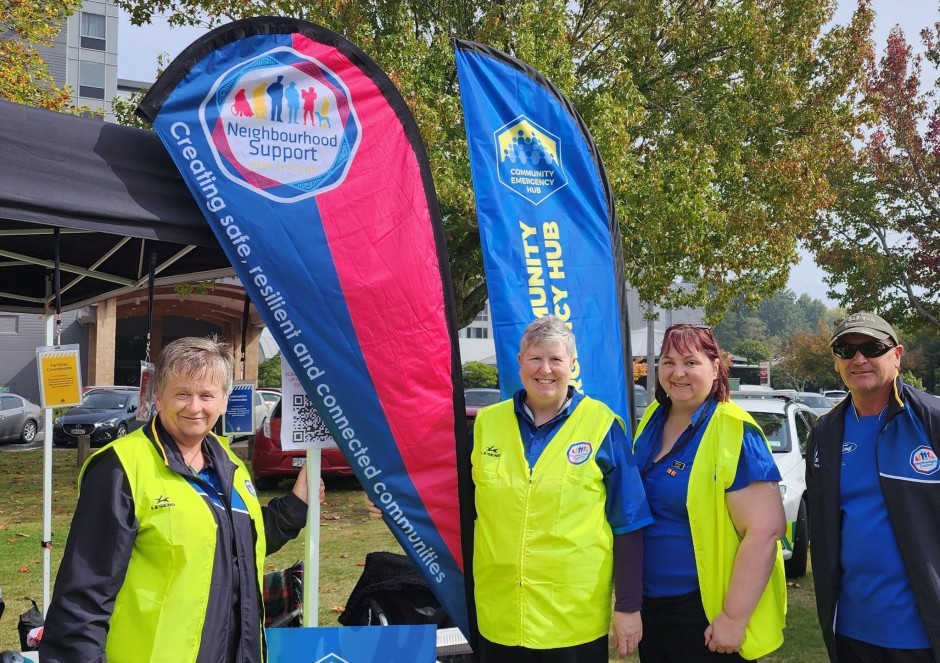
The organisation has 13 committee members and around 450 street coordinators working to make neighbourhoods safer, friendlier and more connected.
Chair Kathy Warbrick says the organisation has undergone a significant turnaround over the past year. After previously struggling to attract committee members, it now has a group of passionate volunteers helping rebuild its governance and operational foundations.
The change followed the departure of its paid coordinator in January, with the governance committee stepping into operational responsibilities to maintain continuity and gain a better understanding of the organisation’s day-to-day work.
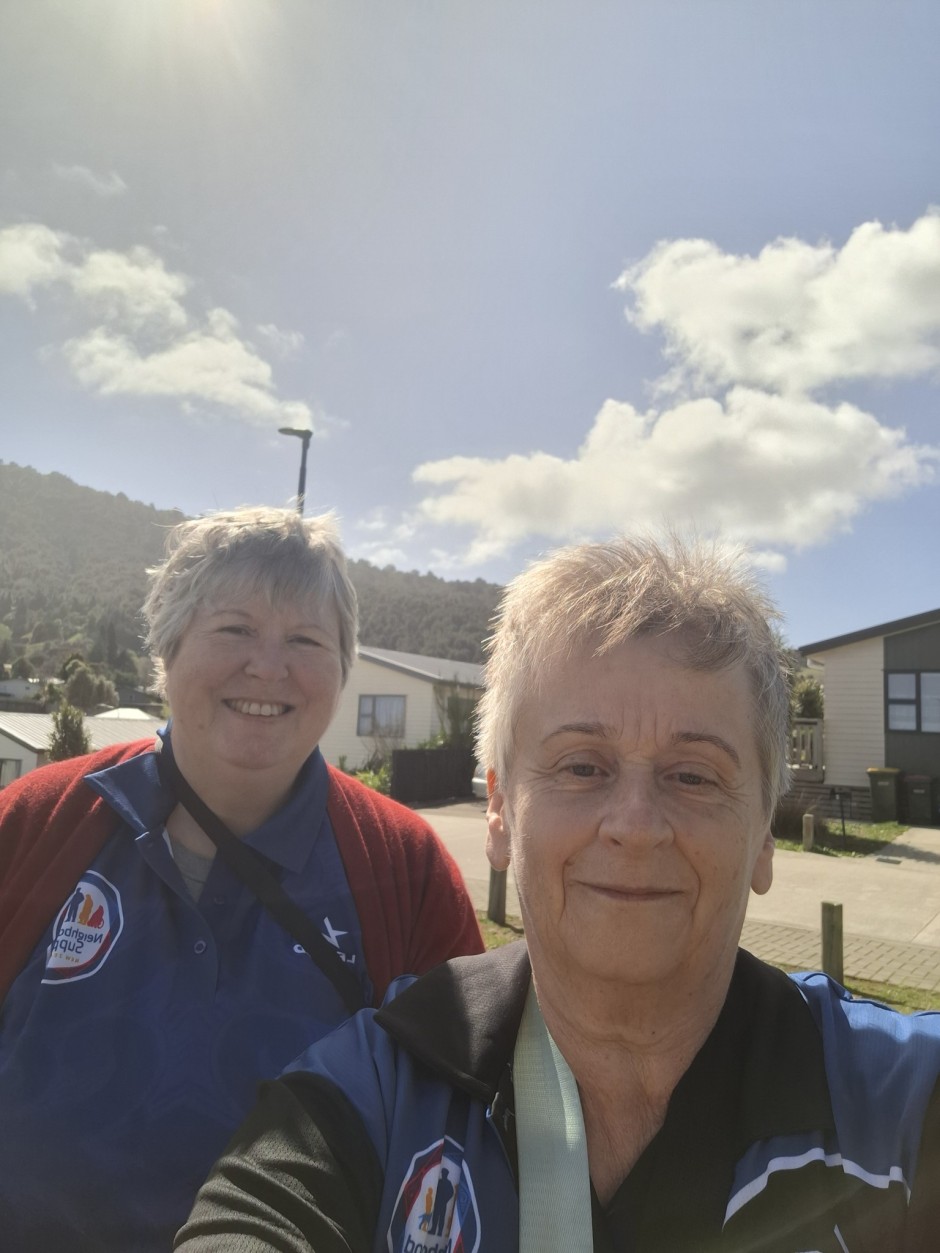
Kathy, who joined the committee around four years ago after being invited by a former coordinator, says the motivation behind the work is simple: helping people feel less isolated and knowing they have someone nearby they can turn to.
“There’s a lot of elderly out there that feel lonely and isolated. There’s new mums out there that feel isolated and lonely, and it’s about trying to connect people.”
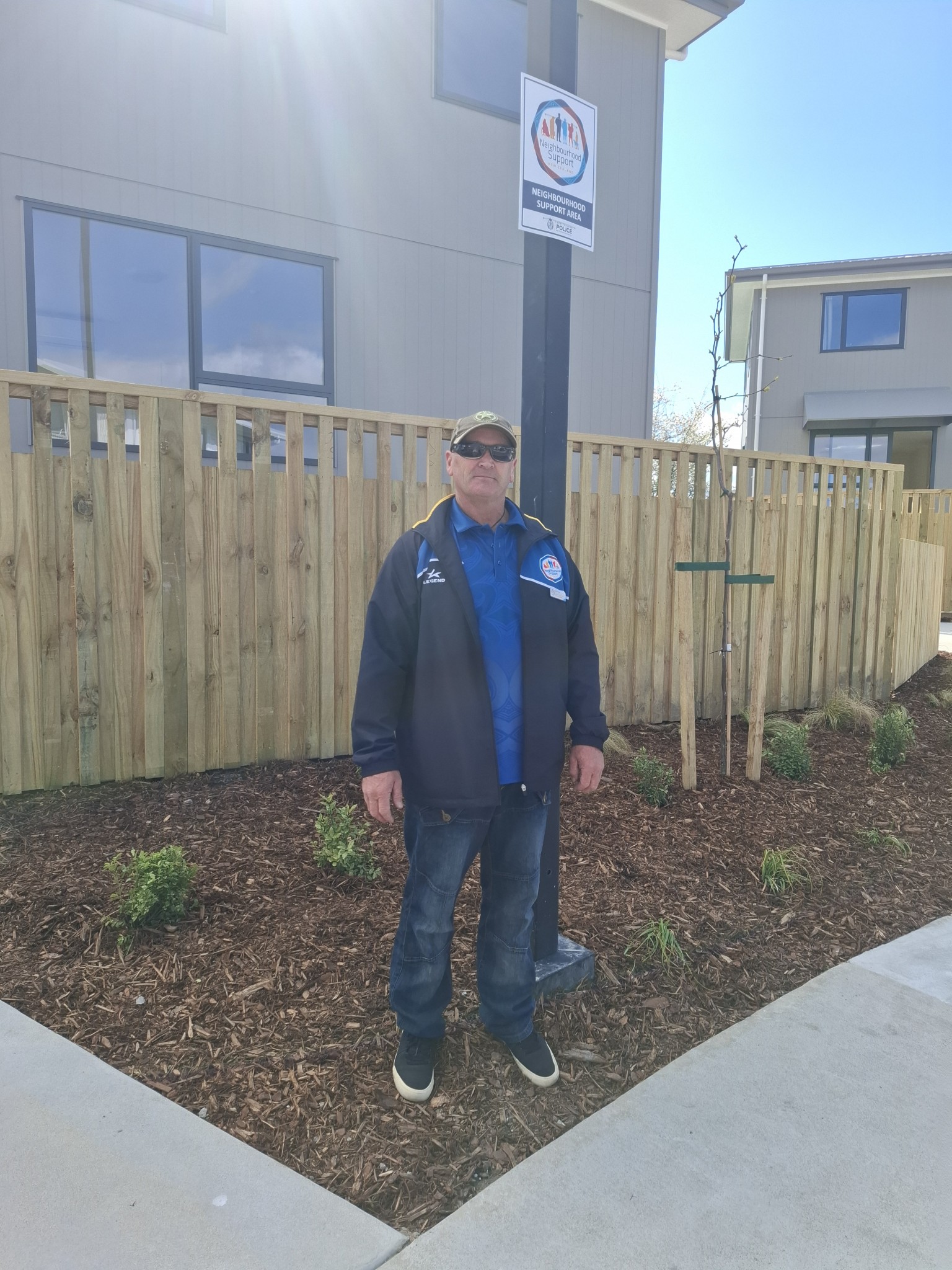
Neighbourhood Support works through its network of street coordinators, who make contact with new residents and offer them the opportunity to connect with others in their neighbourhood.
The approach is deliberately flexible. Coordinators are provided with pamphlets, sign-up forms and other resources to help start conversations, but there is no expectation that every street must operate in the same way.
“We’re not there to tell them how their neighbourhood should look,” says Kathy. “If they just want to connect with four or five neighbours, that’s fine.”
Sometimes the results can be life-changing. Kathy recalls an older man who had become so concerned about his personal safety that he was barricading himself in his bedroom at night. After contacting Neighbourhood Support, he was encouraged to reconnect with people living nearby.
With some initial encouragement, he approached three neighbours and established his own small support group. He no longer felt the need to barricade himself away because he knew people nearby were looking out for him.
In another example, a street coordinator approaching 90 recognised it was time to hand over his responsibilities. He approached neighbours until he found a younger woman willing to take on the role, but first made sure he completed the planning for the street’s next birthday celebration.
Such stories reinforce the value of maintaining connections, particularly as neighbourhoods change and people move more frequently for work and housing.
Kathy says building trust can be challenging in more transient areas, including Kāinga Ora housing developments, where establishing relationships sometimes takes time.
The organisation is also looking to the future, with a focus on attracting younger volunteers and people from more diverse ethnic backgrounds.
Kathy says succession planning is important if neighbourhood connections are to remain strong in the years ahead.
“The majority of our street contacts would be 50 and over, but we’re actually starting to see a younger movement come through, and we’re also starting to see diverse ethnicities come through as well.”
She says established volunteers have an important role in mentoring newcomers and helping them gain confidence, rather than expecting them to take on responsibilities without support.
The organisation keeps street contacts informed through weekly emails containing local crime updates, safety advice and community information.
Its work is supported through relationships with Police, Fire and Emergency New Zealand, St John and National Neighbourhood Support New Zealand. Training opportunities, including Three Steps for Life, are also being made available to volunteers.
Neighbourhood Support Rotorua is looking forward to further community engagement over summer, including attending the Mokoia Community Association’s whānau day on Thursday 17th December.
For Kathy, the longer-term goal is to ensure the neighbourhoods of tomorrow are not disconnected places.
“I knew everybody in my neighbourhood when I was growing up. The neighbourhood that I see out there today is quite different. Twenty years from now, what will that neighbourhood look like if we don’t exercise those connections and bring our younger people in?”
She says people do not have to be best friends with everyone living nearby. Simply knowing one person on the street who can offer help when needed can make a real difference.
Neighbourhood Support Rotorua (and Western Bay of Plenty!), welcomes people interested in becoming street coordinators or contributing to its committee. Its message is that building a connected neighbourhood can start with something as simple as saying hello.

