
MEDIA RELEASE
10th February, 2026
Governance Volunteering: why serving on a board can be a win-win
When people think about volunteering, they often picture hands-on roles. But serving on a board can be one of the most powerful ways to contribute to the community, while also offering personal rewards.
Annika Lane is a great example. She currently chairs the Board of Trustees at Takitimu House, which provides transitional housing and support services for homeless men in Tauranga. She is also a mentor and has volunteered locally and overseas.
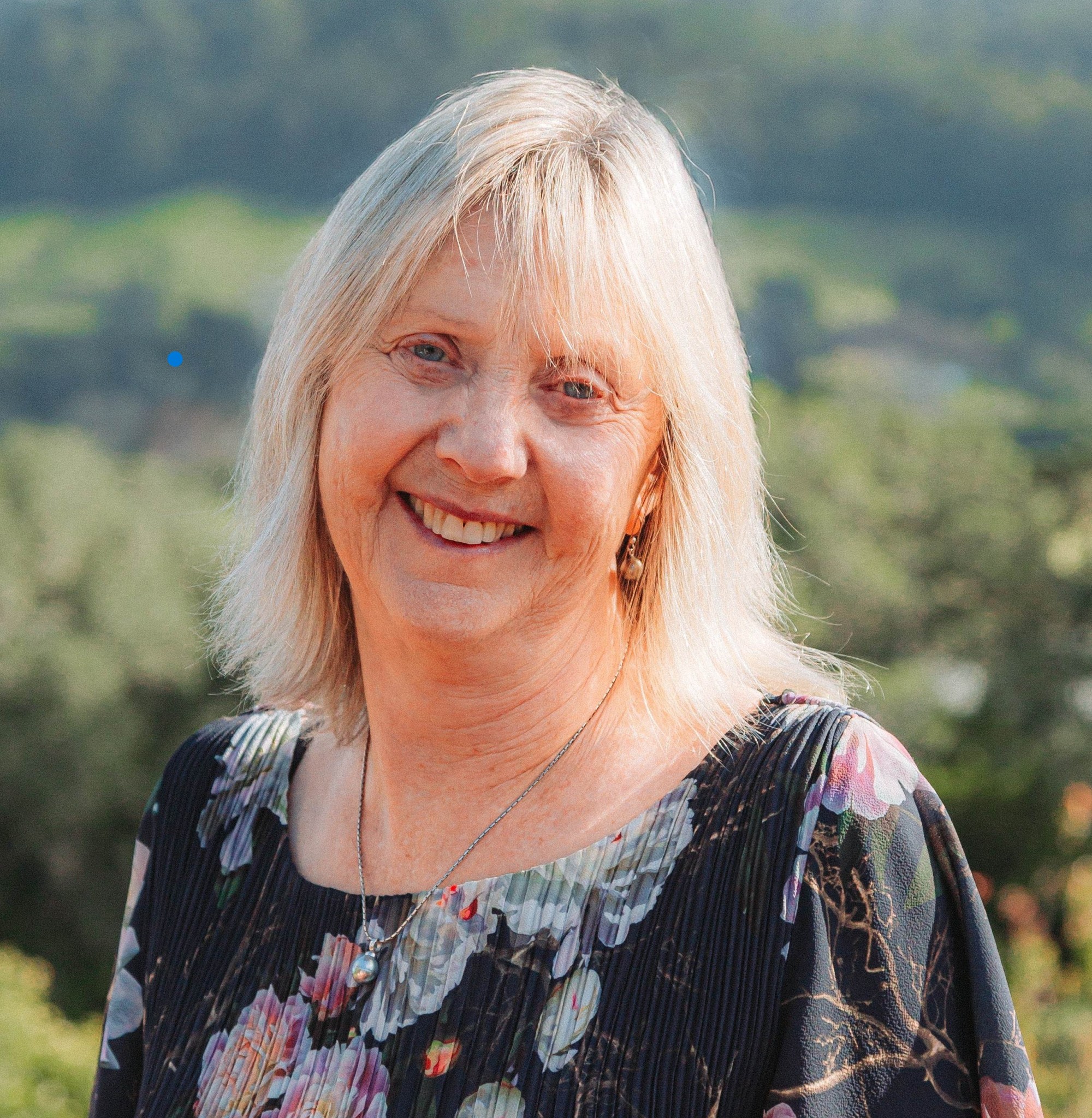
Annika Lane
Her path into governance began through everyday community involvement. As a parent of three sons involved in competitive sport, Annika was deeply engaged at club level. “I decided that I had some skills that could be of assistance at the governance level.”
At the board table, Annika brings professional experience in people management, law, policy development, and strategic planning, but she downplays the idea that governance is only for specialists.
“I think bringing life and work experience to any board is helpful,” she says. “The key is having a range of skills and experience around the table.”
For those who might have skills to bring to a board and considering the time commitment, it is worth noting the personal benefits. Governance roles can offer opportunities to build skills and experience in decision-making and strategy, expand networks, and strengthen a CV. For some, they also open doors to new career opportunities or help sharpen skills that transfer directly into paid work. Like all volunteering, there’s a wellbeing benefit through connection, purpose, and the satisfaction of contributing to something meaningful.
Annika agrees there are personal benefits, but she is clear about motivation.
“You have to be genuine about the cause,” she says. “If you’re doing it just to put on your resume, that is disingenuous and unfair to your fellow board members and the clients you serve.”
For Annika, the greatest rewards are human. “I enjoy working with people to plan, problem solve and make things better,” she says.
She encourages people who might not see themselves as “board material” to reconsider.
“Compassion, emotional intelligence, energy and a willingness to give time are key,” she says. “There are opportunities to come on some boards as a rookie and learn on the job.”
Her advice for anyone curious about governance volunteering is “have a chat to those involved, ask questions and choose an organisation that reflects your values and personal goals.”
Board volunteering, like all volunteering, involves giving. But it also offers connection, growth, perspective, and the quiet satisfaction of knowing your time and skills are helping shape something that matters.
Volunteering Services continually updates the boards looking for volunteers here. Have a look and see if there’s a board you can contribute to!
For more information about volunteering on a board, click the links below.